Republic of India
Constitution adopted on the 26th of January. Universal adult franchise from the very first day. At the time, the largest enfranchisement of voters in human history.
Constituent Assembly of IndiaWho governs where, what comes next, and the history that shaped the present.
From single-party dominance to coalition arithmetic and back. Scroll through.
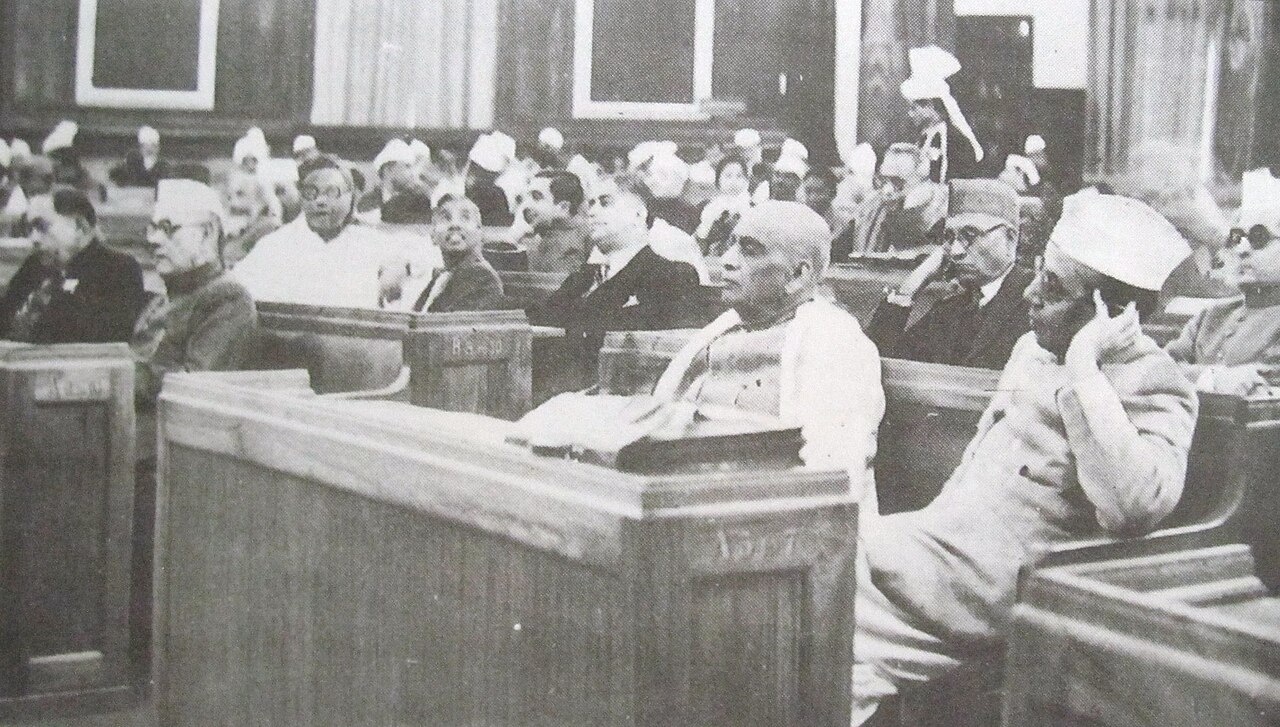
Constitution adopted on the 26th of January. Universal adult franchise from the very first day. At the time, the largest enfranchisement of voters in human history.
Constituent Assembly of IndiaCongress wins 364 of 489 Lok Sabha seats. The Congress System begins: one-party dominance at the Centre and across most states, lasting two and a half decades.
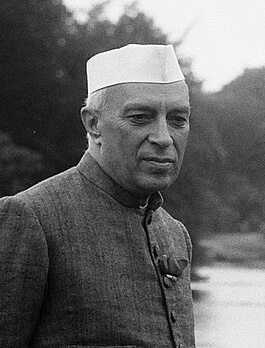
Jawaharlal NehruAfter the Emergency, the Janata Party defeats the Congress. The first non-Congress government takes office at the Centre. The single-party era closes.
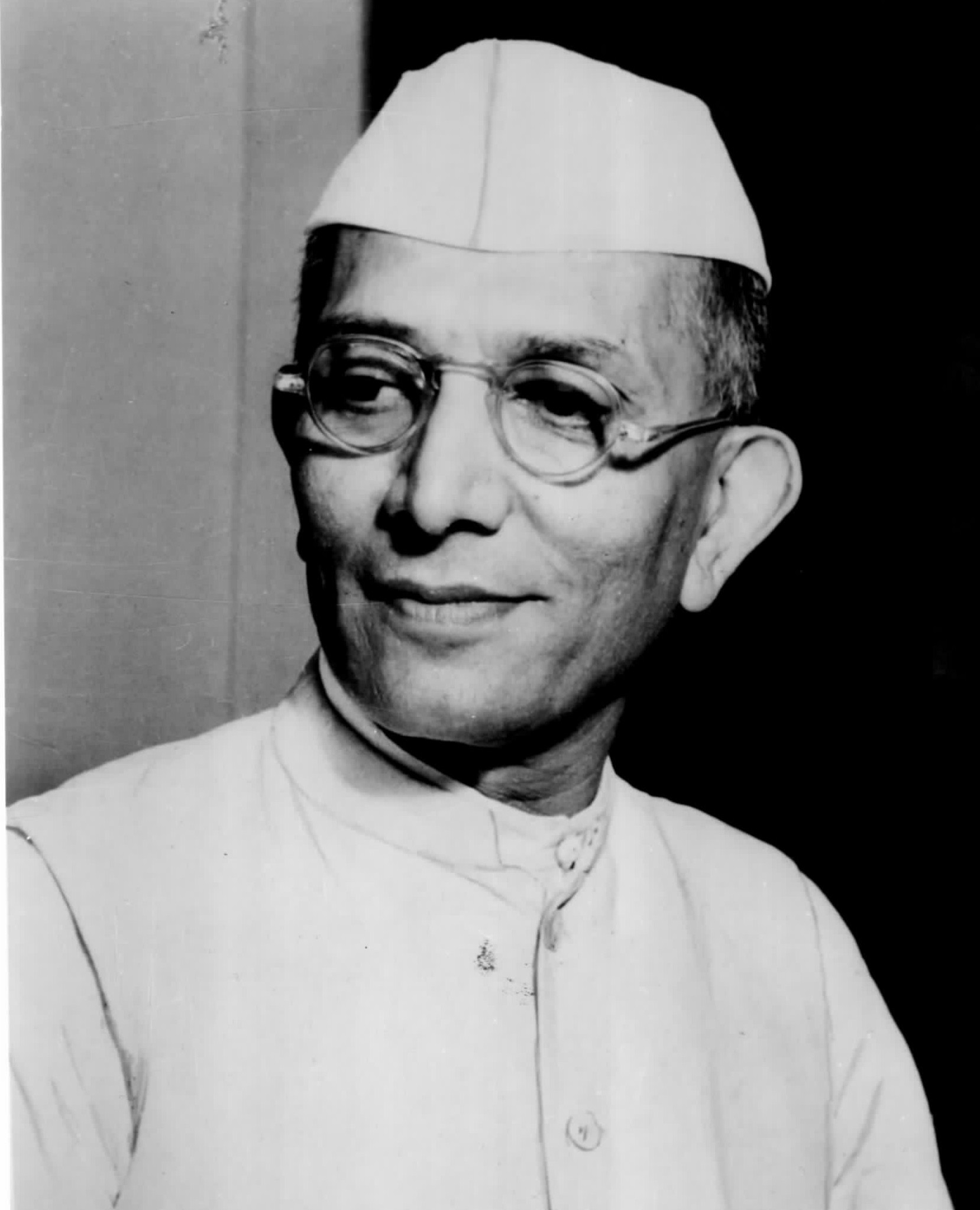
Prime Minister Morarji DesaiV. P. Singh's National Front forms the government. No single party can rule the Centre alone any more. Regional parties become permanent power-brokers.
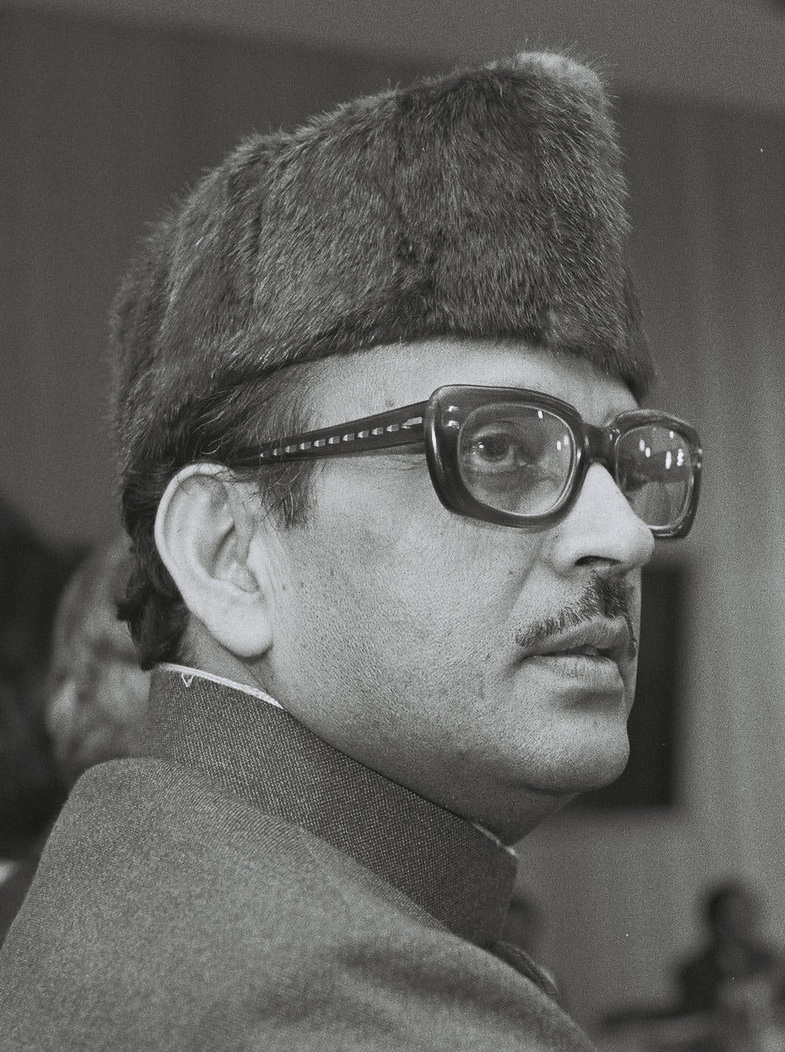
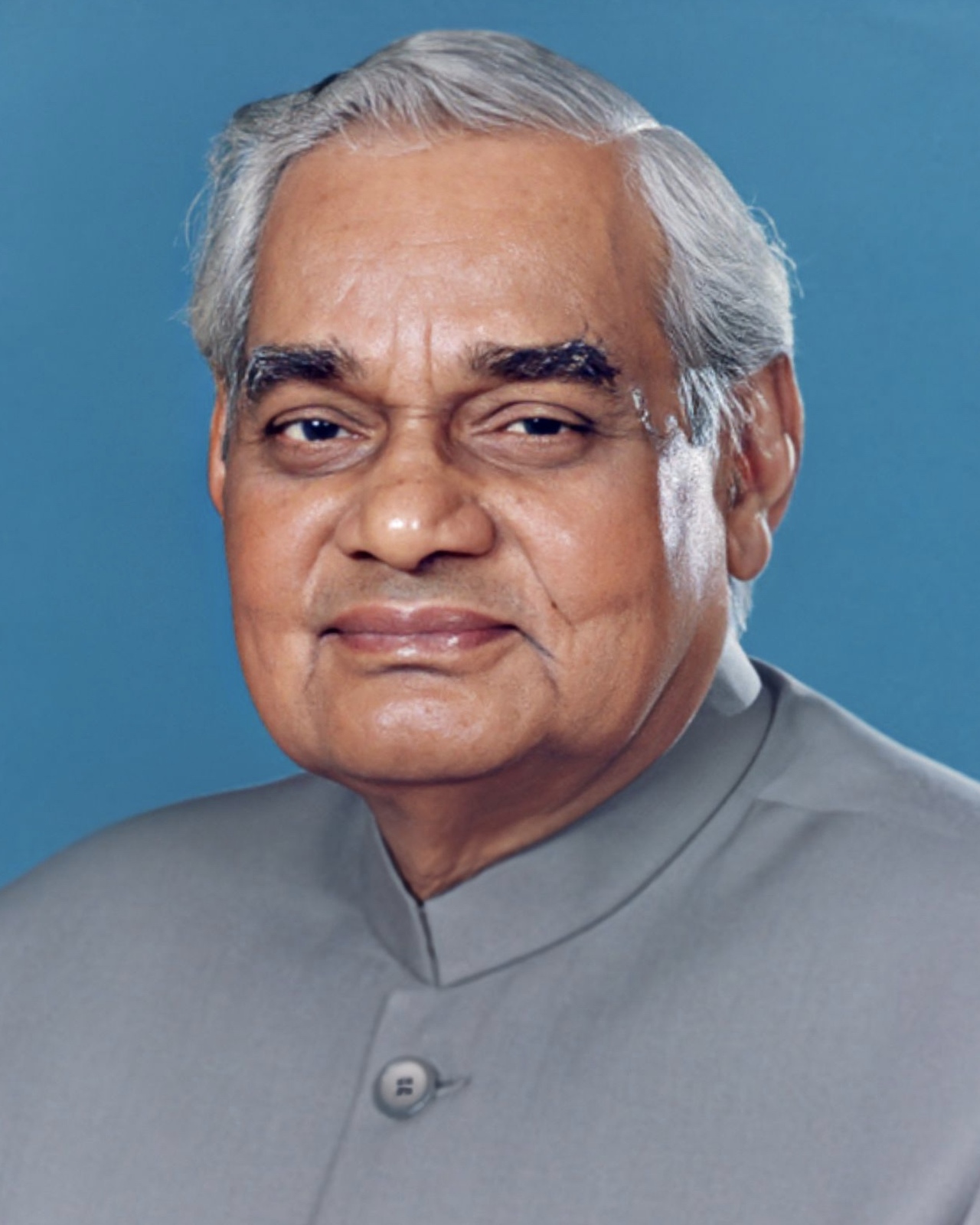
Vishwanath Pratap SinghThe BJP-led National Democratic Alliance forms government under Atal Bihari Vajpayee. Coalition politics is now the structure of national power, not a transitional phase.
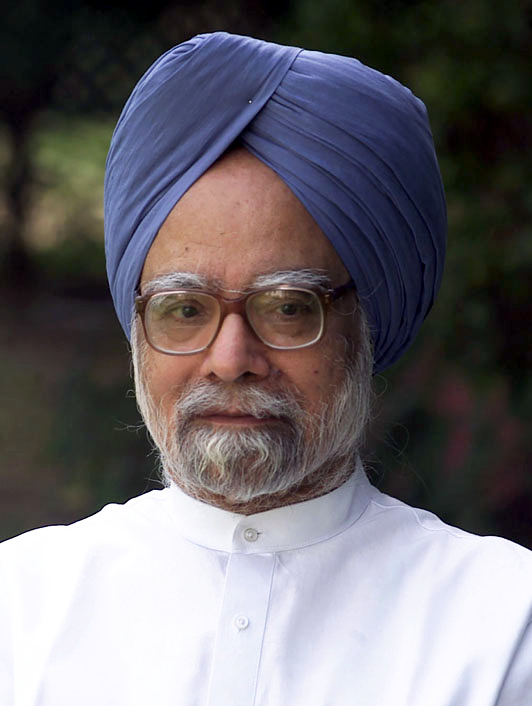
Atal Bihari VajpayeeThe Congress-led United Progressive Alliance returns to power under Manmohan Singh. Ten years in office across two terms, the long counterweight to a rising BJP.
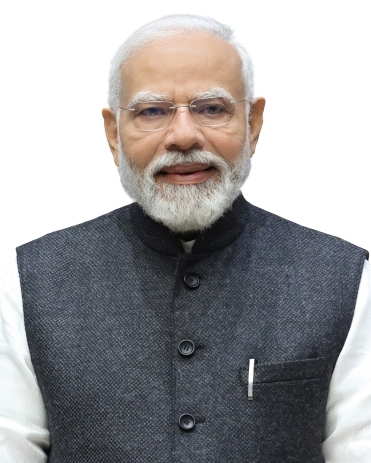
Prime Minister Manmohan SinghThe BJP under Narendra Modi wins an outright majority, the first single-party majority since 1984. Returned in 2019 with a larger mandate. The coalition era pauses.
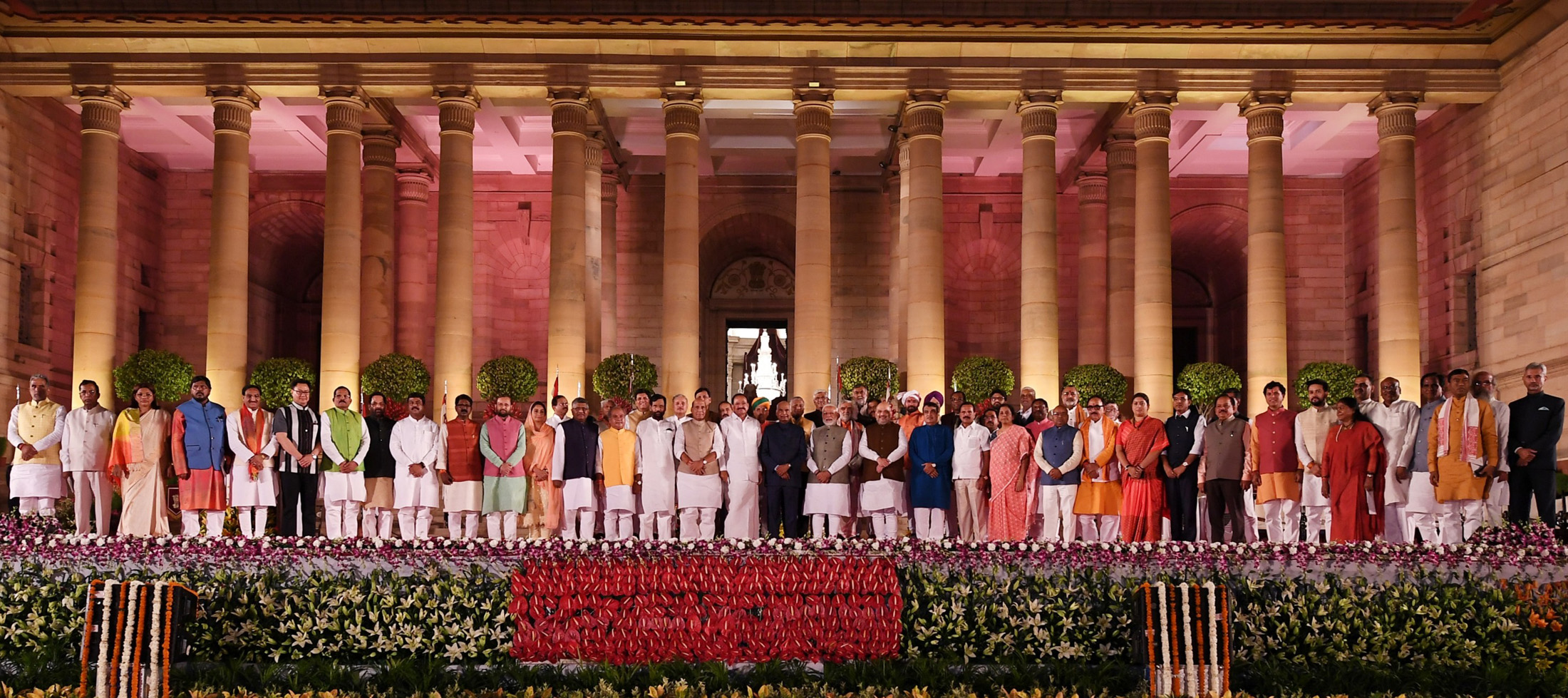
Prime Minister Narendra ModiThe NDA retains government (Modi 3.0), but the BJP loses its single-party majority. The opposition reorganises as the INDIA bloc. Coalition arithmetic is back at the Centre.
Council of Ministers, 2024Who governs where. 28 states, 8 union territories, the Centre. Coloured by alliance, not endorsement.
Colour and letter indicate alliance, not endorsement. Hover or tap any state for the ruling party and Chief Minister.
ECI-recognised parties: national, state, and the long tail of registered-unrecognised.
Recognised by the Election Commission of India across multiple states per the recognition thresholds.
Recognised in one or more state legislatures. Regional powerhouses with the bulk of state-level mandates.
Below the recognition thresholds. The long tail of organised political activity in India sits here.
 BJP
BJP  INC
INC  BSP
BSP  CPI(M)
  AAP
AAP  NPP
NPP  DMK
DMK  TMC
TMC  BJD
BJD  TDP
TDP  YSRCP
YSRCP  SP
SP  RJD
RJD  JMM
JMM  BRS
BRS  JD(U)
JD(U)  JD(S)
JD(S)  AIADMK
  NCP
NCP  NCP-SP
  Shiv Sena
  SHS (UBT)
  AIMIM
AIMIM  SAD
SAD  SKM
SKM  JKNC
JKNC  AGP
AGP  NPF
NPF  ZPM
ZPM  MNF
MNF State assemblies and the General, in chronological order from today.